
 Deutschland
 United Kingdom

In this guide:
What Is a Cleanroom? ·
ISO 14644-1 Classes Explained ·
ISO vs. the Old Federal Standard 209E ·
How Cleanroom Filtration Works ·
Where the Modern Cleanroom Came From ·
Hardwall, Softwall, or Modular ·
PU, PUF, PIR, and Rock Wool Panel Cores ·
Matching Industry to ISO Class ·
FAQ
What Is a Cleanroom?
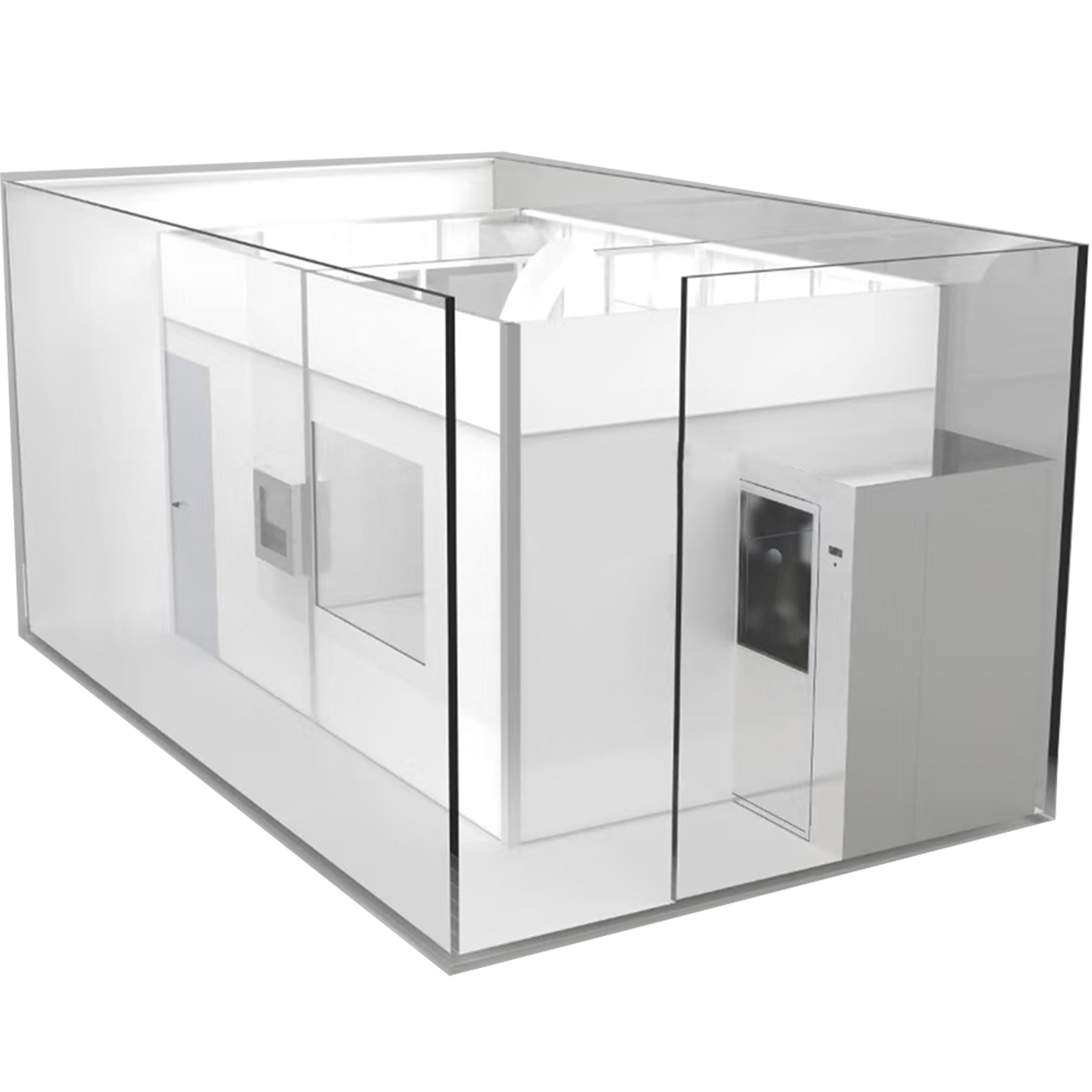
What is a cleanroom? It’s an enclosed space engineered to hold airborne particle counts, temperature, humidity, and air pressure to numbers most rooms never get close to. It does this with layered filtration, controlled airflow direction, and construction materials that don’t shed dust or harbor bacteria — which is why the wall panel itself, not just the air handling, is part of the classification.
If you’re sourcing a cleanroom or the panels to build one, the two questions that actually matter are: which ISO class does your process need, and which panel construction gets you there without over-paying for cleanliness you don’t need. Here’s how to answer both.
How Clean Is “Clean”? ISO 14644-1 Classes Explained
Cleanroom cleanliness is defined by ISO 14644-1:2015, the international standard that sets the maximum number of particles (0.1–5 microns) allowed per cubic meter of air. The scale runs from ISO Class 1 (cleanest) to ISO Class 9 (least controlled, but still far cleaner than outside air).
| ISO Class | Max particles ≥0.5µm per m³ | Typical use |
|---|---|---|
| ISO 5 | 3,520 | Semiconductor fabrication, implantable medical devices, aseptic pharmaceutical filling |
| ISO 6 | 35,200 | Hard disk drive manufacturing, some medical device assembly |
| ISO 7 | 352,000 | Pharmaceutical manufacturing, PCB assembly, hospital operating rooms |
| ISO 8 | 3,520,000 | General pharmaceutical and food-grade manufacturing, packaging areas |
Most industrial buyers only ever need ISO 7 or ISO 8. ISO 5 and below is reserved for semiconductor and precision-electronics work, where the cost of a single contamination event outweighs the extra cost of the tighter build.
ISO 14644-1 vs. the Old Federal Standard 209E
Older quotes and spec sheets, especially around semiconductor fabs, still reference “Class 100” or “Class 10,000.” That’s Federal Standard 209E, the U.S. cleanroom standard ISO 14644-1 officially replaced. It’s been withdrawn for years, but the class numbers stuck around as industry shorthand. Here’s how they line up:
| Federal Standard 209E | ISO 14644-1 equivalent |
|---|---|
| Class 100 | ISO 5 |
| Class 1,000 | ISO 6 |
| Class 10,000 | ISO 7 |
| Class 100,000 | ISO 8 |
If a client asks for a “Class 10,000 cleanroom,” they mean ISO 7. Worth confirming which standard they’re actually quoting from before pricing the job.
How Cleanroom Filtration Actually Works
Cleanroom air doesn’t get clean on its own — it’s pushed through HEPA or ULPA filters before it ever reaches the room. A HEPA filter is officially defined (by the U.S. Department of Energy) as removing at least 99.97% of particles down to 0.3 microns, which the EPA confirms is the hardest particle size to catch — anything larger or smaller gets trapped even more efficiently. ULPA filters go further, catching particles down to 0.12 microns, and are reserved for ISO 5 and tighter builds where HEPA isn’t enough.
Filtered air alone doesn’t hold a class, though. It has to move in one direction, sweeping particles out instead of letting them settle, and the walls it’s moving through have to stop shedding their own particles. That’s the part a filter spec sheet won’t tell you and a panel spec will.
A Cleanroom Is Younger Than You’d Think
The modern laminar-flow cleanroom didn’t exist before 1959. Sandia National Laboratories physicist Willis Whitfield built the first one to solve a contamination problem with nuclear weapon components, and presented it publicly in 1962. His design blew filtered air in from the ceiling at a constant rate and let it exit through the floor, carrying particles out instead of letting them settle. That basic principle is still how cleanrooms work today.
Hardwall, Softwall, or Modular: Which Type Do You Need?
Softwall cleanrooms use a metal frame with plastic curtain walls. They’re the cheapest option and the fastest to install, but they don’t hold ISO 7 or tighter reliably and they don’t give you a real vapor or fire barrier. They suit ISO 8 workshop and packaging applications where budget matters more than certification headroom.
Hardwall modular cleanroom systems use rigid insulated panels instead of curtains. This is where the panel core material stops being a footnote and becomes the actual spec that determines what class you can hit and hold.
What’s Inside the Wall: PU, PUF, PIR, and Rock Wool Panel Cores
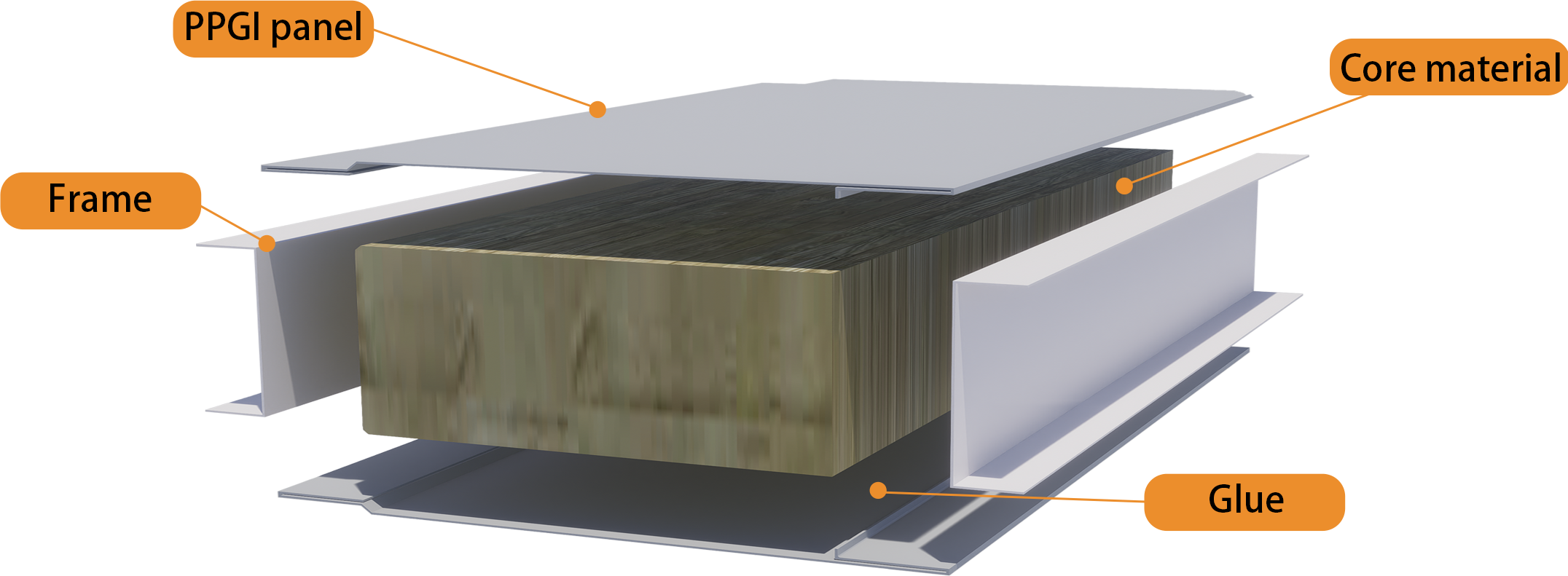
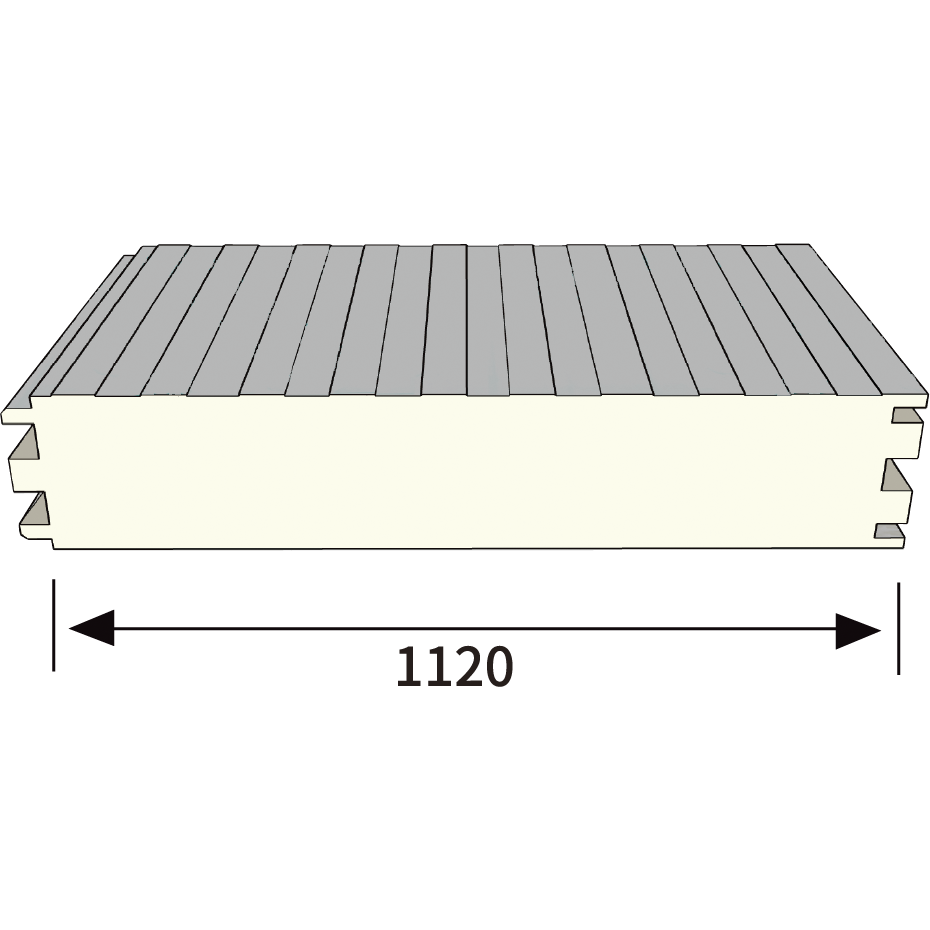
PUF panel, PU panel, and PU sandwich panel are three names for the same core technology: rigid polyurethane foam bonded between two steel or aluminum face sheets. PIR (polyisocyanurate) is a related foam chemistry built for better fire resistance under sustained heat. Rock wool cores trade some thermal efficiency for stronger fire ratings and are the standard choice where fire code, not thermal performance, drives the spec.
| Core material | Where it fits |
|---|---|
| PU / PUF foam | Standard cleanroom and cold storage walls, best cost-to-insulation ratio |
| PIR foam | Same applications as PU, chosen when the project needs a higher fire rating |
| Rock wool | Fire-code-driven projects, pharmaceutical cleanrooms with strict fire regulations |
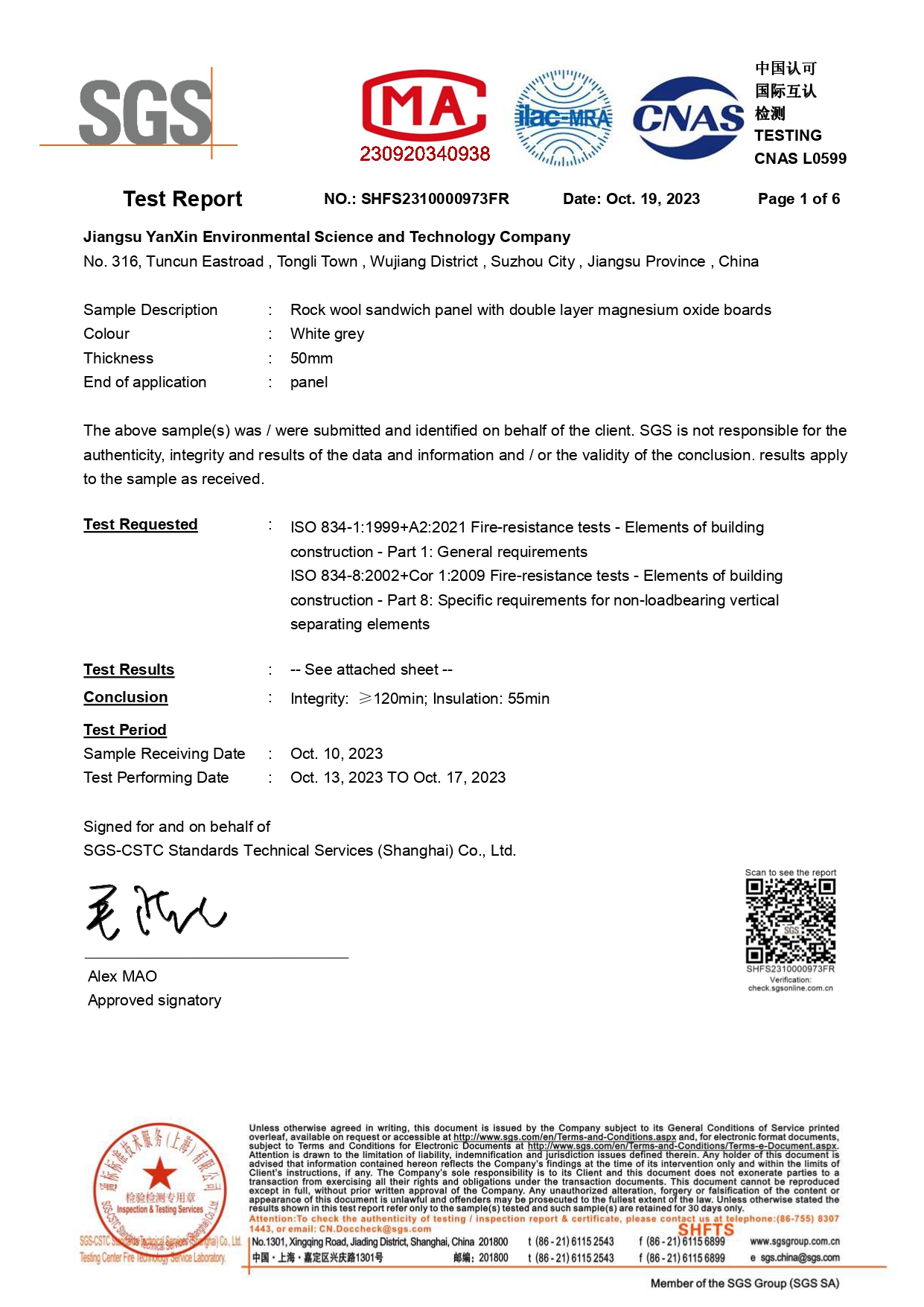
JIANGSU YANXIN builds all three into its cleanroom wall panels, in both machine-made and hand-made construction, and into its cold storage panel line for the same core technology in refrigerated environments. The panel choice on either page maps directly to the ISO class and fire rating above — it isn’t a separate decision from the classification one. Yanxin’s sandwich panels carry a third-party ISO 834-8 fire-resistance test report, not just a datasheet claim.
Matching Industry to ISO Class
- Semiconductor and electronics: ISO 5–6
- Pharmaceutical manufacturing and aseptic filling: ISO 5–7, depending on the process step
- Medical device assembly: ISO 6–7
- Food processing and packaging: ISO 8
- General industrial and cold storage: ISO 8 or no formal classification, but still built with cleanroom-grade panels for hygiene and insulation
Frequently Asked Questions
Is a PUF panel the same as a PU panel?
Yes. They’re the same core technology under two different names, both different from PIR, which is a modified foam chemistry built for better fire performance.
What ISO class does a pharmaceutical cleanroom need?
Most pharmaceutical manufacturing runs at ISO 7 or ISO 8, with aseptic filling areas built to ISO 5.
Can a softwall cleanroom meet ISO 7?
Not reliably. Softwall construction is generally limited to ISO 8 and workshop-grade applications; ISO 7 and tighter need a hardwall, panel-built room.
How thick does a cleanroom wall panel need to be?
Most cleanroom wall panels run 50–100mm depending on the insulation and fire-rating requirement, with thicker panels used for cold storage and higher-fire-rating applications.
What’s the difference between a HEPA and a ULPA filter?
HEPA filters catch at least 99.97% of particles down to 0.3 microns; ULPA filters catch particles down to 0.12 microns and are used for ISO 5 and tighter cleanrooms where HEPA isn’t sufficient.